How Cruise Pricing Really Works (And How to Use It to Your Advantage)
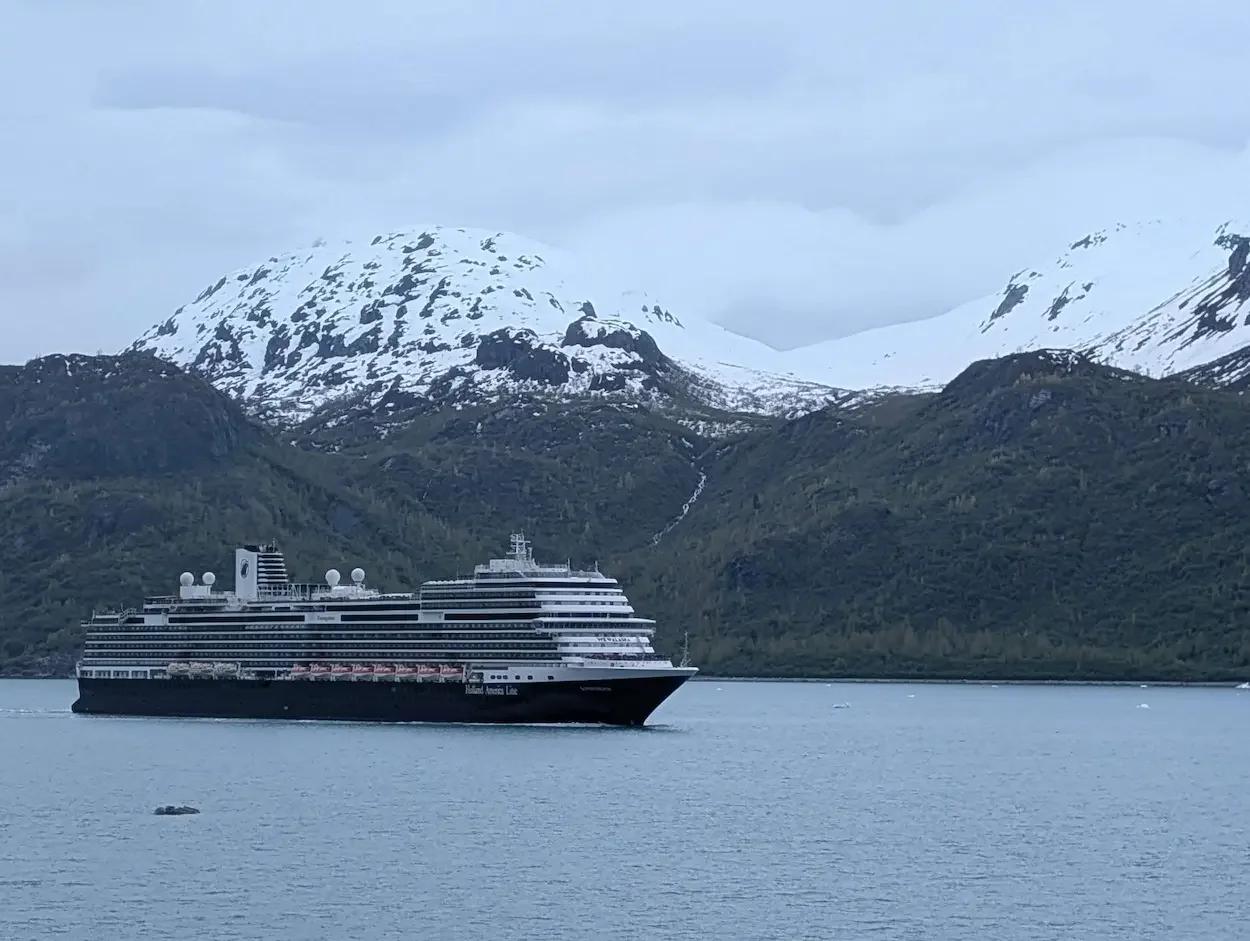
Holland America in Glacier Bay National Park
If you’ve ever tried to price out a cruise and thought, Why does this feel like airline pricing mixed with a casino and a game show? — you’re not wrong. Cruise pricing is one of the most dynamic, emotion‑driven, and strategically engineered systems in the travel world.
The good news: once you understand how cruise pricing works behind the scenes, you can use it to save hundreds (or thousands) on your next sailing. This guide breaks everything down in plain English — no spreadsheets required.
Whether you’re a first‑time cruiser or someone who’s booked dozens of sailings, understanding cruise pricing helps you avoid overpaying and spot real deals.
Related: How I Book Cruises With Points (Beginner Guide)
This post contains affiliate links, which means I may earn a small commission if you book or buy through them—at no extra cost to you. I only share products, services, and travel tools I personally use or genuinely recommend.
Cruise Pricing 101: Why Cruise Prices Change So Often
Cruise lines don’t price cabins based on what they cost to operate. They price them based on what they think people will pay. That means cruise pricing is driven by:
How full the ship is
How far away the sail date is
How well that itinerary usually sells
Seasonality and holidays
Competitor pricing
If a sailing is selling slowly, prices drop. If it’s selling fast, prices rise. It’s that simple — and that complicated.
What Actually Drives Cruise Prices Up or Down
Cruise pricing is dynamic, meaning it can change multiple times per day. Think of it like airfare, but with more emotion baked in.
Booking Patterns
Cruise lines track booking curves. If they expect a sailing to be 80% full by a certain date and it’s only at 60%, they’ll drop prices or release promotions.
Inventory Buckets
Each cabin category has “buckets” — mini price tiers. When one bucket sells out, the price jumps to the next. If cancellations happen, the price can drop back down.
Promotions and Sales
Cruise lines run constant promotions to fill specific cabins:
30% off
Kids sail free
Free upgrades
Reduced deposits
Casino offers
Resident rates
Military rates
These aren’t random — they’re targeted levers to move inventory.
Competitor Moves
If Royal Caribbean drops prices on a Caribbean sailing, Carnival and MSC often follow. It’s a domino effect.
How Cruise Lines Use Dynamic Pricing
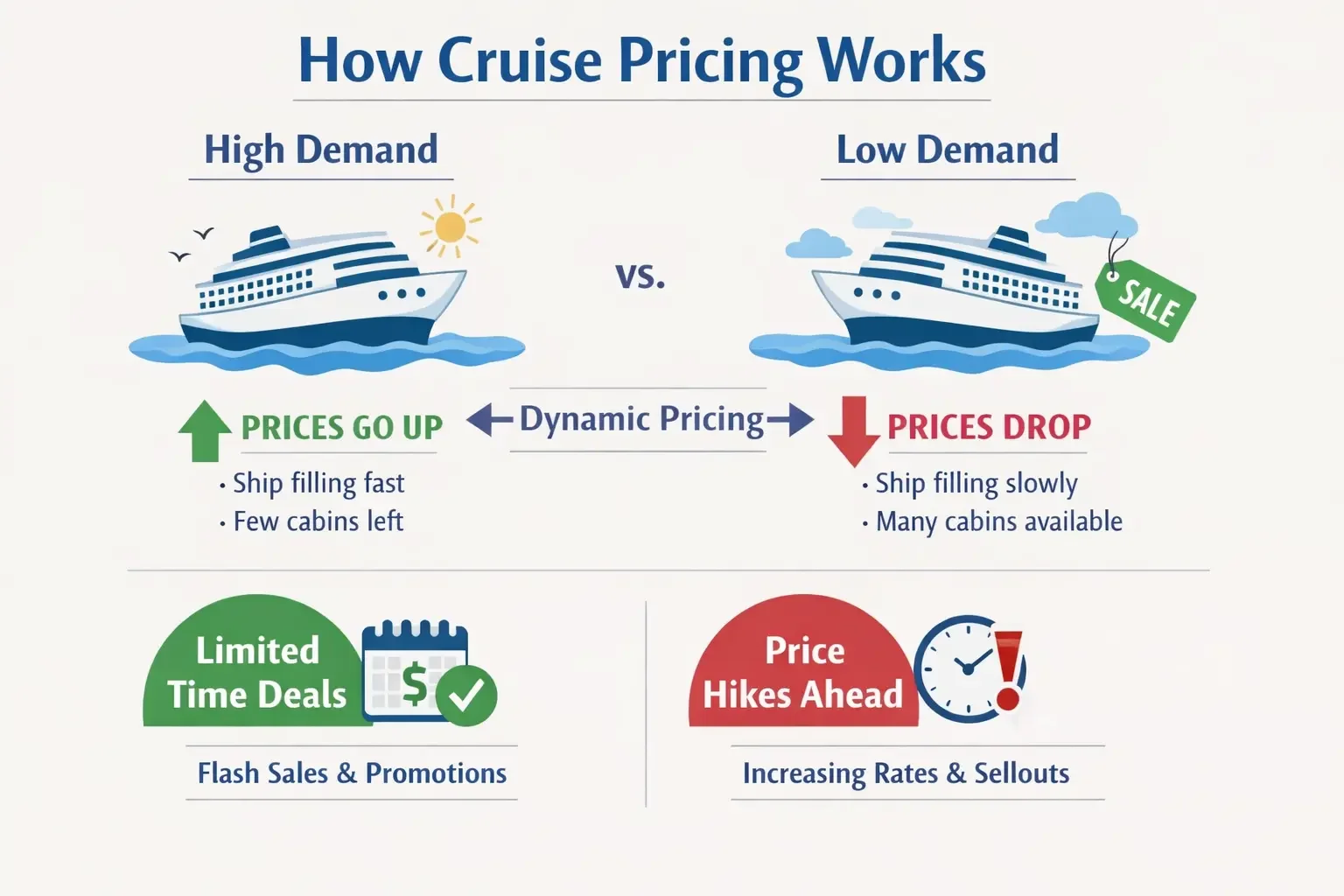
Cruise lines adjust prices based on real‑time demand. If a ship is filling too slowly, they lower prices. If it’s filling too quickly, they raise them. This is why you might see:
A $499 balcony one day
A $699 balcony the next
A $599 balcony the day after
It’s not chaos — it’s strategy.
Cabin Categories and Why They’re Priced Differently
Inside, oceanview, balcony, suite — each category has its own pricing logic.
Inside cabins: Most volatile. They drop the fastest when a sailing is undersold.
Balconies: The most in-demand category, so they hold their price longer.
Suites: Priced based on perceived luxury, not cost. They rarely drop unless the sailing is struggling.
“Oddball” cabins: Obstructed views, aft wraps, forward-facing balconies — these can be priced lower or higher depending on demand.
How Casino Offers Fit Into Cruise Pricing
Casino offers operate on a completely different system. They’re based on:
Your past play
Your theoretical loss (“theo”)
How much the cruise line wants to incentivise you
This is why two people on the same sailing can pay wildly different prices. One person pays $2,000 for a balcony. Another gets it comped because they played $5 slots for three nights on their last cruise.
If you’re casino‑curious, this is one of the easiest ways to cruise for less — or even free.
Related: Princess Players Club: How I Booked My Cruise With Casino Offers + Points
When Cruise Prices Are Lowest
If you want the best deals, look for:
Shoulder seasons (May, September, early December)
Repositioning cruises
Last‑minute sailings (especially 30–60 days out)
Hurricane season (June–November)
New ships before they become popular
Older ships after the hype fades
Casino offers
These are the sweet spots where cruise lines need to fill cabins.
When Cruise Prices Are Highest
Expect to pay more during:
Spring break
Summer
Thanksgiving week
Christmas and New Year’s
School holidays
Big events (e.g., solar eclipse cruises)
If you’re traveling with kids, this is where points and miles can help offset flights and hotels so the cruise itself doesn’t feel as painful.
How to Get the Best Cruise Price (Beginner Strategy)
Track Prices
Set alerts or check manually. Prices can drop without warning.
Book Early… or Very Late
The middle is usually the worst time to book.
Reprice When Possible
Some cruise lines let you reprice before final payment. This can save hundreds.
Use Credit Card Offers
Think:
Chase Sapphire Reserve travel credit
Amex Offers
Citi Merchant Offers
Related: Stack & Save Credit Card Hub
Stack Casino Offers
Even low‑rollers can get:
Reduced rates
Free play
Onboard credit
Don’t Fear Older Ships
They’re often cheaper and still offer amazing itineraries.
FAQ: Cruise Pricing Questions People Actually Ask
Why do cruise prices change so much? Cruise lines use dynamic pricing based on demand, booking pace, and inventory.
Do cruise prices go down closer to the sail date? Sometimes — especially 30–60 days out if the ship isn’t full.
Is it cheaper to book directly with the cruise line or through a travel agency? Prices are usually the same, but agencies like CruiseDirect may offer extra perks.
Why do two people on the same cruise pay different prices? Casino offers, loyalty status, promotions, and booking timing all affect pricing.
When are cruises the cheapest? Shoulder seasons, hurricane season, repositioning cruises, and last‑minute deals.
When are cruises the most expensive? School holidays, summer, and major holidays.
Check current Princess cruise prices → Princess Direct
Compare prices on CruiseDirect → Cruise Direct
Final Thoughts: Cruise Pricing Isn’t Random — It’s Predictable
Once you understand the patterns, you stop feeling like cruise pricing is a mystery and start feeling like you’re playing the game with the cheat codes turned on. And that’s exactly what I want for you — smarter travel, better deals, and more trips you’re excited about.
Related:
How I save on Cruises - stack and save strategy
About the Author
Julie is a travel‑hacking expert and the founder of NO POINT LEFT BEHIND, a resource for families who want to turn everyday spending into unforgettable trips. She shares practical guides, points strategies, and real‑life travel experiences to help you maximize every dollar. Stay connected — follow Julie on Facebook for fresh travel tips and join the Travel Hacking Moms Facebook Group to be part of a supportive community of travelers learning together.
